
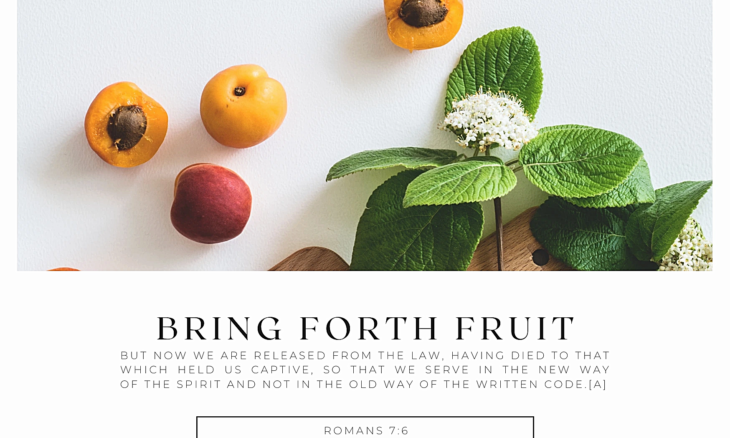
The Biblical Foundation
Galatians 5:22–23 (KJV)
“But the fruit of the Spirit is love, joy, peace, longsuffering, gentleness, goodness, faith, meekness, temperance: against such there is no law.”
Paul contrasts this with the works of the flesh (Galatians 5:19–21).
These fruits are not “natural virtues” but supernatural evidences of the Holy Spirit living within a believer.
Biblical examples of Each Fruit
· (Agape) – Jesus forgiving His enemies on the cross Luke 23:34 True, unconditional love even toward those who harm you
· Joy – Paul and Silas singing hymns in prison Acts 16:25 Joy that remains in suffering, rooted in God’s presence
· Peace – Jesus calming the storm and reassuring His disciples Mark 4:39 Inner tranquility from trusting God, even in chaos
· Longsuffering (Patience) – God’s patience with Israel in the wilderness Nehemiah 9:17 Enduring others’ failures and trials without losing faith
· Gentleness (Kindness) – The Good Samaritan helping the wounded traveler Luke 10:33–35 Compassion in action, showing mercy to strangers
· Goodness – Barnabas encouraging new believers Acts 11:24 A generous and upright spirit that blesses others
· Faith (Faithfulness) – Abraham believing God’s promise Romans 4:20–22 Steadfast trust and obedience despite the unseen
· Meekness – Moses described as “very meek” Numbers 12:3 Strength under control, humility before God and man
· Temperance (Self-control) – Joseph resisting temptation from Potiphar’s wife Genesis 39:7–12 Mastering desires through submission to God
Why the Fruit of the Spirit Is So Important
Evidence of True Salvation- Jesus said, “By their fruits ye shall know them.” (Matthew 7:16–20).
True conversion produces visible transformation — not by effort alone, but by the Spirit’s renewing power.“If any man be in Christ, he is a new creature.” (2 Corinthians 5:17)
- Jesus said, “By their fruits ye shall know them.” (Matthew 7:16–20).
Reflecting the Character of Christ- The fruits describe who Jesus is. As we grow in the Spirit, we become more like Him.“For whom He did foreknow, He also did predestinate to be conformed to the image of His Son.” (Romans 8:29)
Powerful Witness to the World- When believers display peace in chaos, love amid hatred, and joy amid suffering — people see God’s power at work.“Let your light so shine before men…” (Matthew 5:16)
Victory Over the Flesh- Walking in the Spirit protects against the works of the flesh.“Walk in the Spirit, and ye shall not fulfil the lust of the flesh.” (Galatians 5:16)
How to Grow in the Fruit of the Spirit
1. Abide in Christ Stay connected to Jesus, the true Vine. John 15:4–5 – “As the branch cannot bear fruit of itself…”
2. Feed on God’s Word The Word purifies, renews, and strengthens the heart. Psalm 1:2–3 – The righteous man “brings forth fruit in his season.”
3. Pray Daily for the Spirit’s Work Ask God to produce His fruit within you. Luke 11:13 – “How much more shall your heavenly Father give the Holy Spirit to them that ask him?”
4. Yield to the Spirit Obey His prompting and conviction instead of your flesh. Romans 8:13–14
5. Practice Love and Forgiveness Love is the root of all the other fruits. 1 Corinthians 13:4–7
6. Persevere Through Trials Fruit grows best through testing and pruning. James 1:2–4; John 15:2
The Fruit of the Spirit
· How does “abiding in Christ” (John 15:4-5) affect your ability to bear the fruit of the Spirit?
“Abide in me, and I in you. Just as the branch cannot bear fruit of itself unless it remains in the vine…”
Reflection
· What does “abiding” look like in practice in your daily walk (time in the Word, prayer, obedience)?
· Are there areas in your life where you are trying to bear fruit without the power of Christ?
How do you see dependence on Christ changing your reactions, words, or relationships?
See also: Galatians 5:16-25; Philippians 4:13
· Which fruit of the Spirit are you finding most difficult to grow in right now, and what does Scripture teach about developing it?
“The fruit of the Spirit is love, joy, peace, patience…” (Galatians 5:22-23)
Reflection:
Name one fruit (for example, patience or gentleness).
· What example in Scripture shows this fruit in action (for example, Joseph’s patience, Jesus’ gentleness)?
· How can prayer and obedience help this aspect mature in your life?
Also read: James 1:2-4; Colossians 3:12-15
· Why does Jesus say, “By their fruits you will know them” (Matthew 7:16-20)? What does this say about genuine faith?
“So every good tree produces good fruit…”
Reflection:
What is the difference between outward behavior and inward transformation?
How does true fruit differ from human effort or good works?
· How can you discern true spiritual fruit—in yourself or others—based on Scripture?
Also read: John 15:8; James 2:17-18; 1 John 2:3-6
· How do trials and suffering contribute to the development of the fruit of the Spirit in a believer’s life?
“Know this: the testing of your faith produces endurance.” (James 1:3)
Reflection:
In what ways has God used adversity to shape your character?
Can you identify the fruit (such as patience or peace) that grew in you through trials?
· How does Romans 5:3-5 connect trials, endurance, and spiritual maturity?
See also: Romans 8:28-29; Hebrews 12:10-11
· How can we “walk in the Spirit” practically every day to avoid gratifying the desires of the flesh?
“Walk in the Spirit, and you will not fulfill the desires of the flesh.” (Galatians 5:16)
Reflection:
What daily habits help you remain sensitive to the voice of the Spirit (Scripture, confession, worship, community)?
· How does obedience to the Spirit differ from mere self-discipline?
· What does Romans 8:5-6 teach about the Spirit-versus-flesh mindset?
See also: Ephesians 5:8-10; Romans 12:1-2
“By this my Father is glorified, that you bear much fruit, so that you will be my disciples.”
—John 15:8 (ESV)
Bearing fruit isn’t about perfection—it’s about yielding to the Spirit daily and allowing the life of Christ to flow through us.




 + ') ';
}
var titleText = h.headline || ad.title || '';
if (fmt !== 'image' && titleText) { inner += '
';
}
var titleText = h.headline || ad.title || '';
if (fmt !== 'image' && titleText) { inner += '
Add your first comment to this post